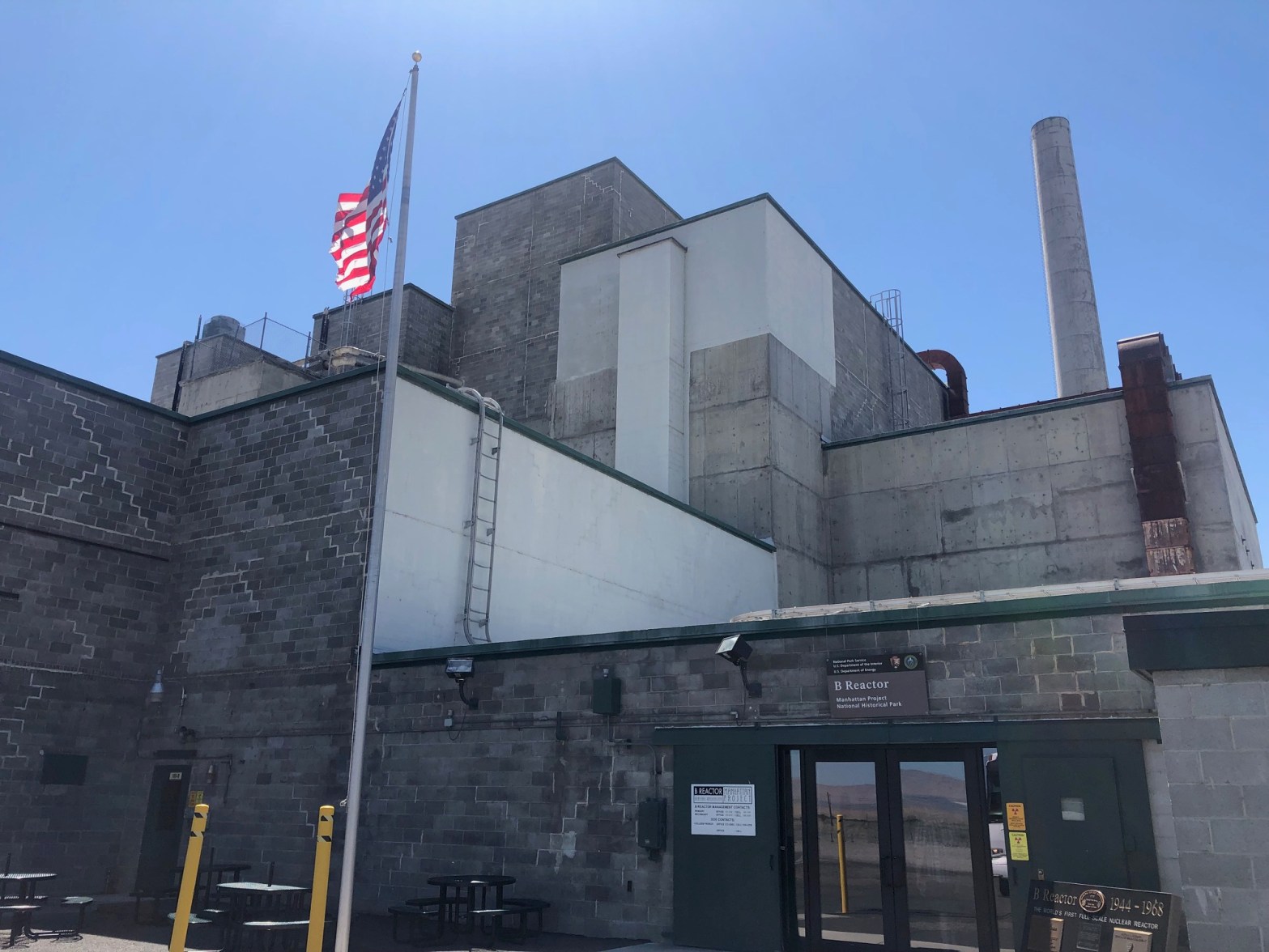
The Tri-Cities metropolitan area, formed of Pasco, Kennewick, and Richland, shares a diverse history that is intricately woven into our greater nation’s history. Sites of historical significance range from one of the few known campsites of Lewis and Clark’s Corps of Discovery at the confluence of the Snake and Columbia Rivers to the Pasco Naval Air Station of World War II to the Hanford Nuclear Reservation’s contribution to the Manhattan Project. The region and its rivers were also important elements of the native cultures of the indigenous peoples who lived here before European settlers arrived. The combined elements that form the history of the Tri-Cities region make for a fascinating travel itinerary; presented here are our top picks for a weekend getaway.
When to visit: though many of the sites in our itinerary are open year-round, several are not: Manhattan Project B Reactor Tour will be the first site to lock down, as their operating days fluctuate through the season. Assuming your visit is on an actual weekend, your visit will need to be June through September; if your visit is not on a weekend, or perhaps starts on Friday, your B Reactor tour has mid-week options and your visit to the Tri-Cities can occur May through November. However, the Pasco Aviation Museum is only open on Saturday so a mid-week visit will miss that location (and you really don’t want to miss it!) if not begun on Friday.
The Reach Museum
The itinerary starts with a visit to the Tri-Cities’ most recent museum addition, The Reach Museum, which focuses on the region’s history, native cultures, and plant and animal life as well as on geology, science, and technology as they apply to the region—a superbly fascinating museum experience well worthy of a visit. Plan on 1.5 to two hours for your visit, dependent upon how much of a reader you are.
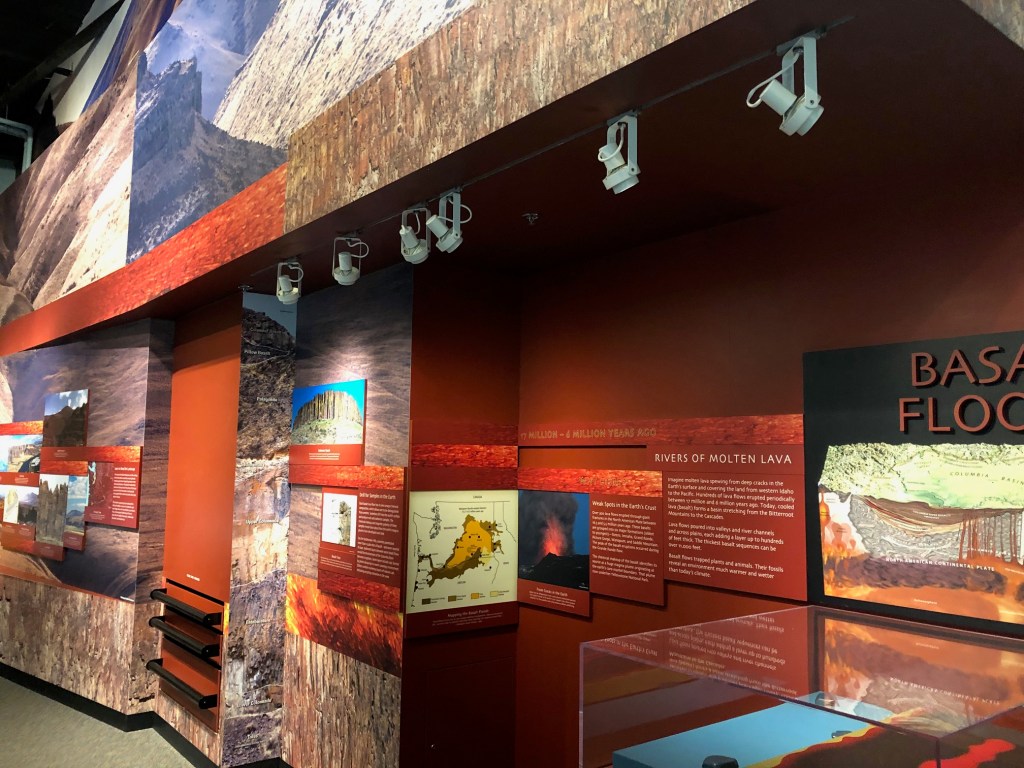
Here are details you will need, including the address to enter into your navigation app:
The REACH Museum, 1943 Columbia Park Trail, Richland, WA 99352. Open: Tue-Sat 10-4:30, Jun-Sep also open Sun 12-4:30; last entry at 4. Admission: Adult $12, Student/Senior/Military $6, 5 and under Free. Free parking. Gift shop on site.
Franklin County Historical Museum
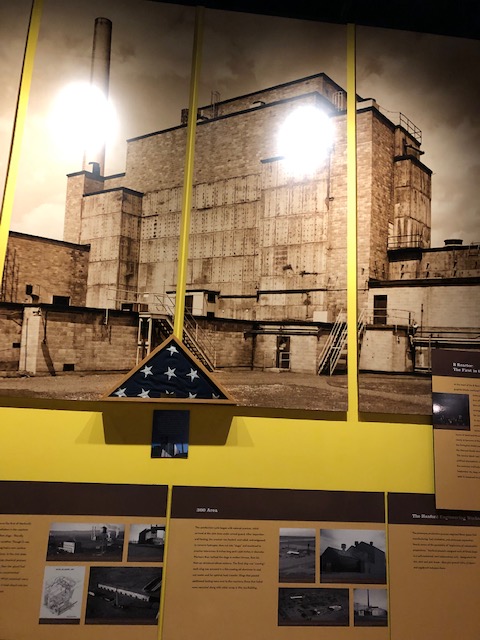
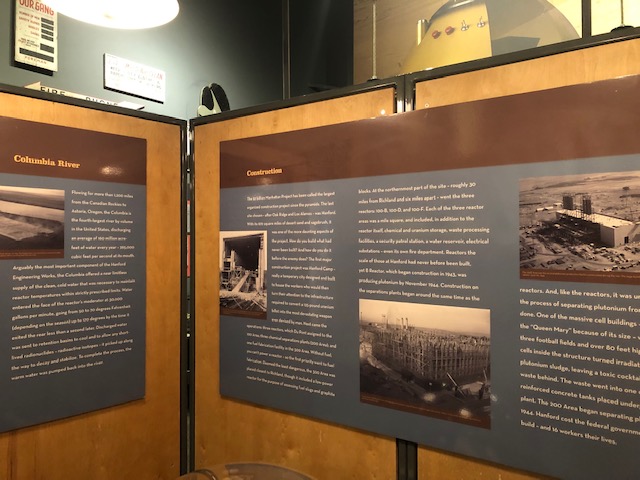
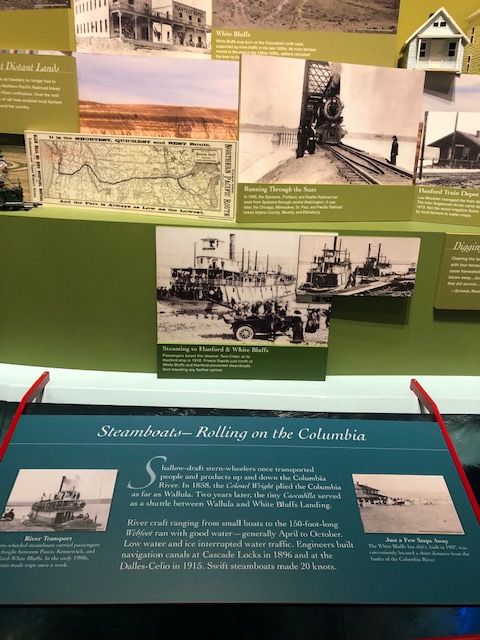
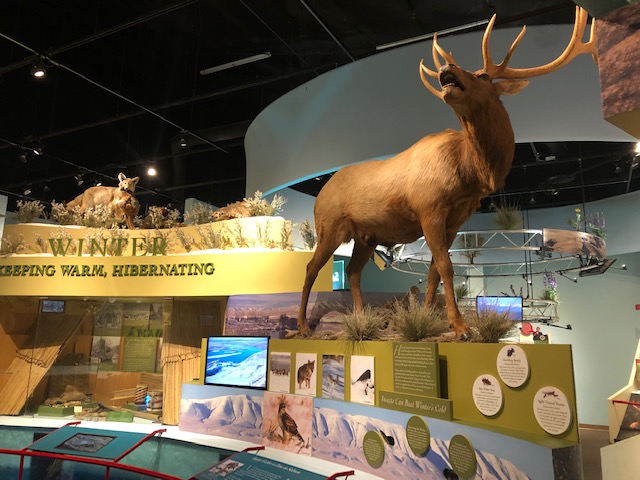
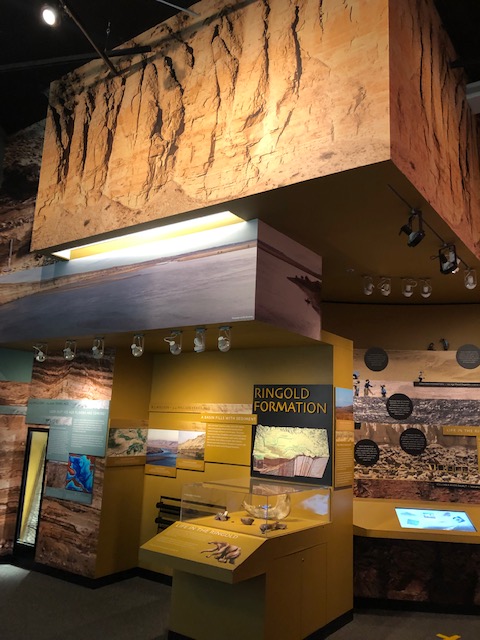
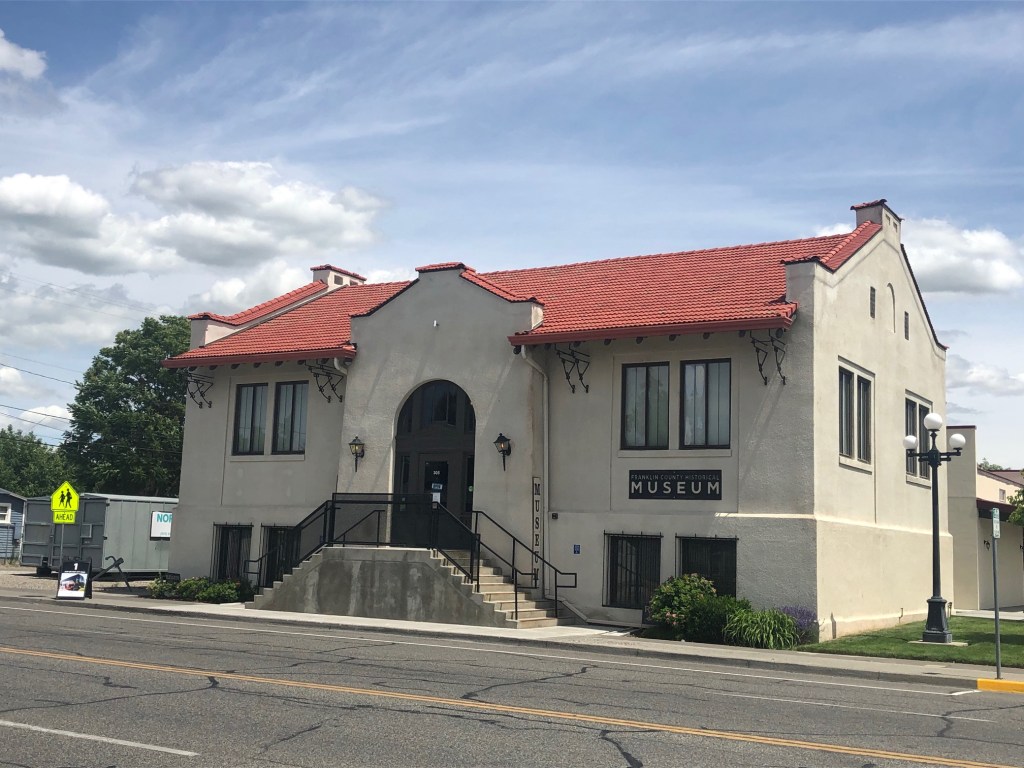
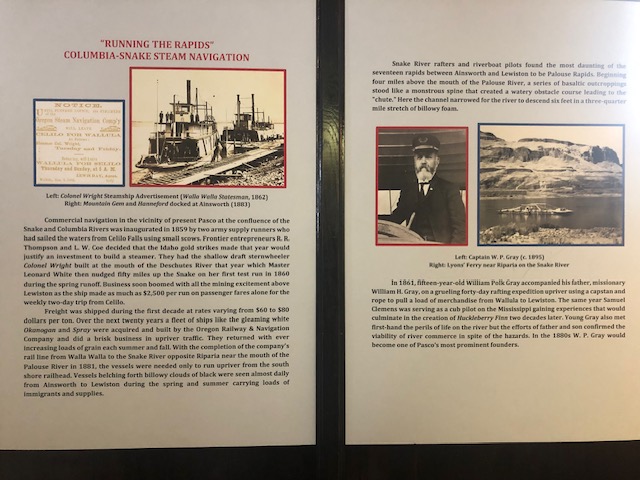
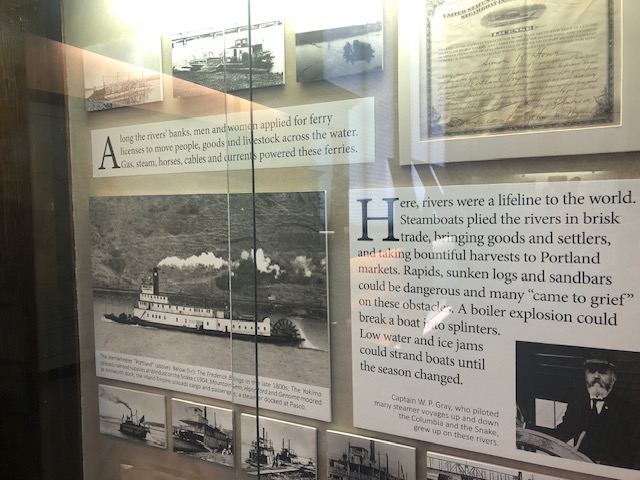
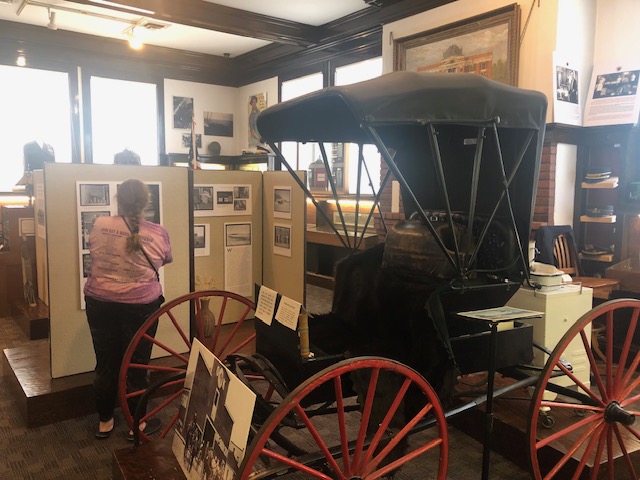
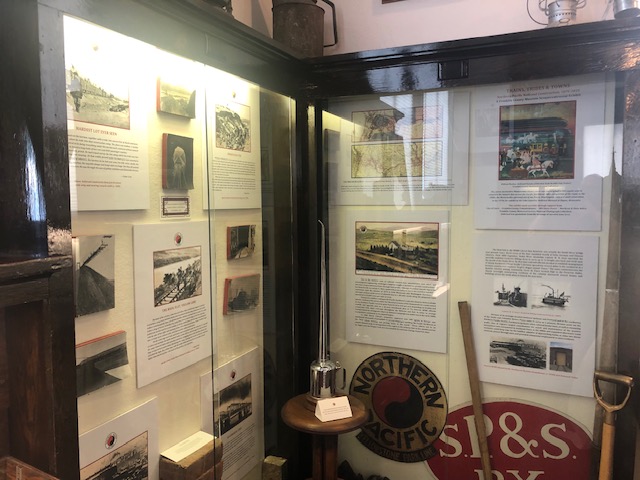
The Museum, completed in 1911, was originally one of 2500 libraries funded by Andrew Carnegie. On display are exhibits on regional paleontology, wildlife, native American and pioneer history, the rivers and the paddle-wheel steamers that plied it, and the coming of the railroads and aviation. Plan on one to 1.25 hours for your visit.
Here are details you will need, including the address to enter into your navigation app:
Franklin County Historical Museum, 305 N 4th Ave, Pasco, WA 99301, 509-547-3714. Open: Wed-Thu 11-4, Fri-Sat 9:30-4:30; winter closure from Christmas to Mar 15; closed all state and federal holidays. Admission: Adult $5, Senior/Veteran/Active Military $3, Student/Teacher $1, 5 and Under Free. Gift shop on site.
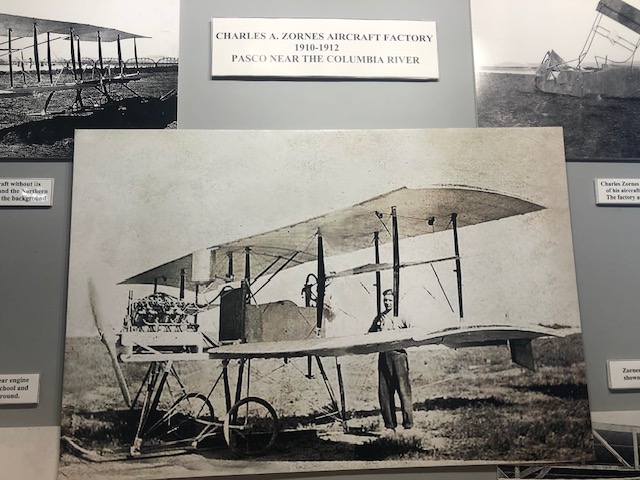
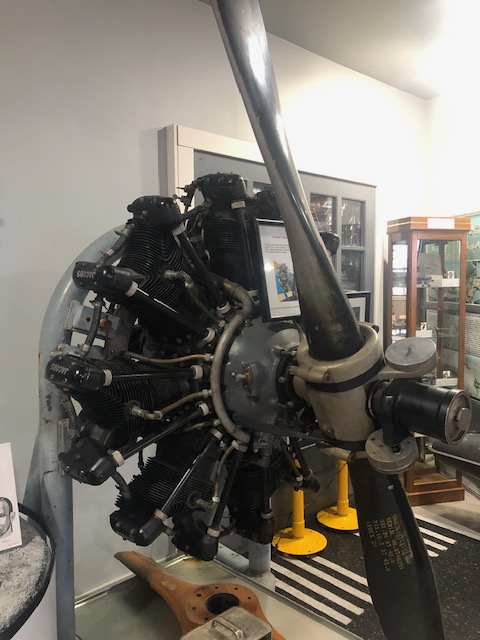
Pasco Aviation Museum
Naval Air Station Pasco served as a training station during the first part of World War II to train beginning pilots for combat. In the later years of the war the air station served to train established pilots to fly newer aircraft. Naval Air Station Pasco was one of the three busiest aviation training centers of the war and was the first naval base to receive a contingent of WAVES. Today, the air station is transformed as the Tri-Cities Airport and the runways now serve civil aircraft, though the U.S. Navy retains rights for navy aircraft to use the airfield for training and naval aircraft are frequently seen as air crews practice touch-and-go landing and takeoff.

The old naval air station control tower was saved from demolition to become the Pasco Aviation Museum. Plan one hour for your visit.
Here are details you will need, including the address to enter into your navigation app:
Pasco Aviation Museum, 4022 Stearman Ave, Pasco, WA 99301, 509-521-7117. Open: Sat 10-4; closed in winter. Admission: Adult $10, Senior and Youth $5, Veterans Free. Free parking.


Manhattan Project National Historic Park
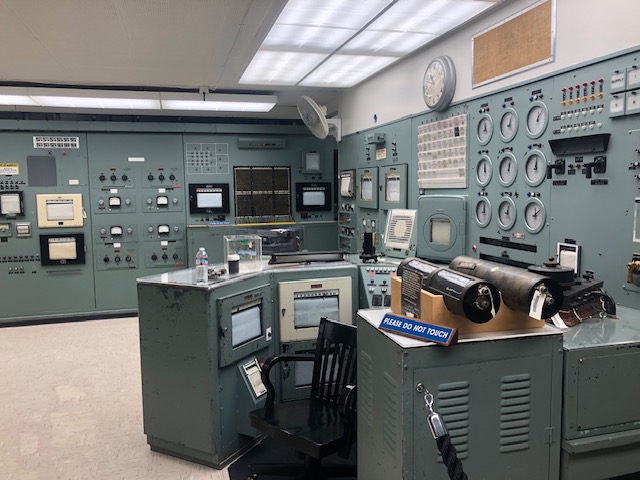
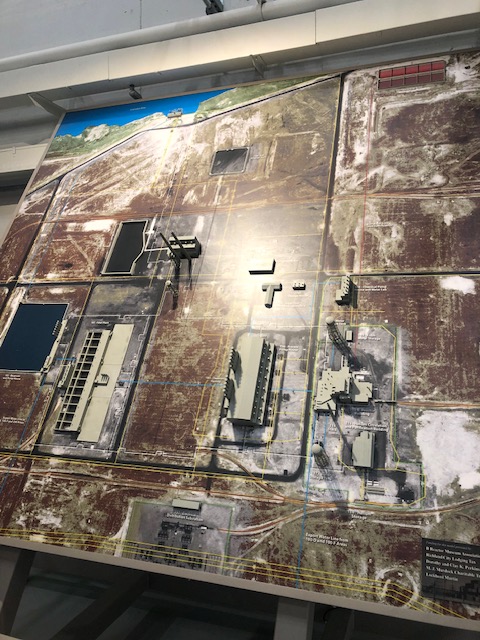
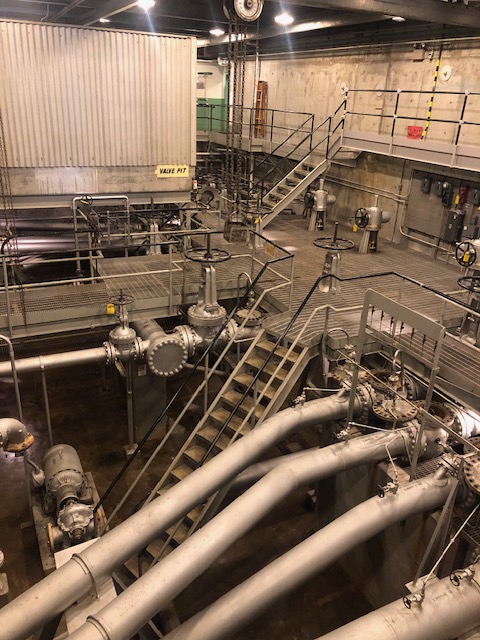
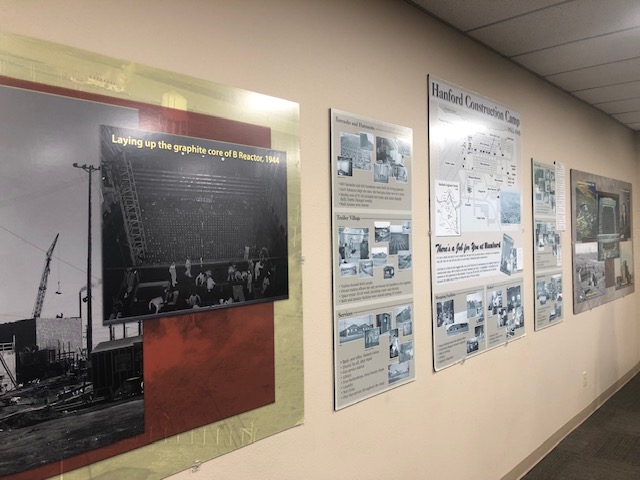
Day two of your visit begins with a tour of the Manhattan Project B Reactor, the first large scale nuclear reactor ever built and the site where plutonium was enriched for the Fat Man atomic bomb that helped end World War II. Tours begin with an introduction at the visitor center, after which visitors are bused to the B Reactor site. Arrival time for tours is 8:30 and 11:45, but we suggest the early start so that you have time for other sites before heading home later in the day. Plan on four hours for your visit, which includes an initial presentation at the visitor center, a 45-minute bus ride each way, and two hours at the reactor site. The B Reactor is rich in fascinating history.

There is no food or drink available at the visitor center, though visitors are welcome to bring food and drink on the bus; only bottled water is allowed in the B Reactor facility. It is hot in the summer and, though they do offer complimentary bottled water, you should probably bring water in case they run out. Porta potties are available at the B Reactor site. Note: the B Reactor is on the Hanford Nuclear Reservation; vehicles and hand-carried items are subject to search at any time.
Registration for a tour of the Manhattan Project National Historic Park must be made in advance: https://manhattanprojectbreactor.hanford.gov/index.cfm?tour=registrationStart
Here are details you will need, including the address to enter into your navigation app:
Manhattan Project National Historic Park, 2000 Logston Blvd, Richland, WA 99354. Open: 8:30, May-Nov (see website calendar for available tour days; the tour is available on very few Saturdays, but is open on Sundays June through September). Admission: Free; open to all ages. Free Parking.

Sacajawea State Park and Interpretive Center
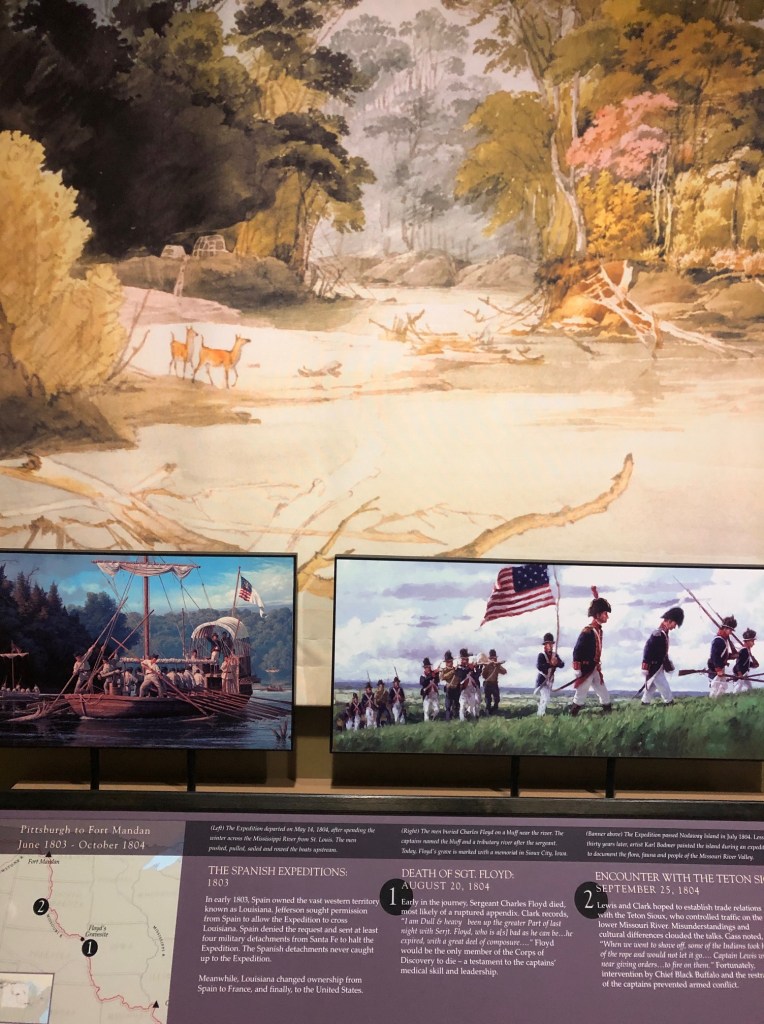
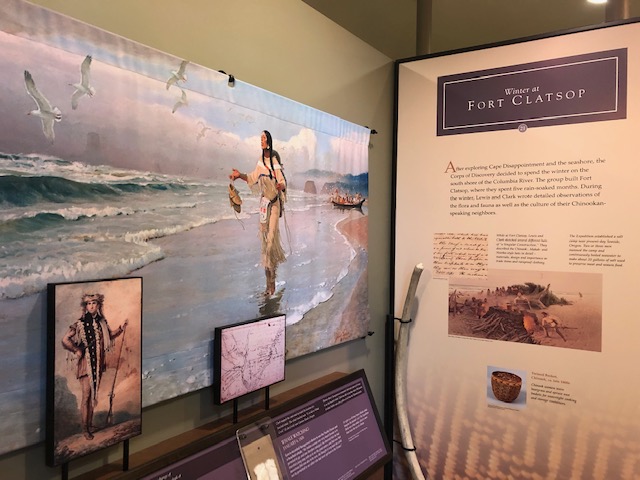
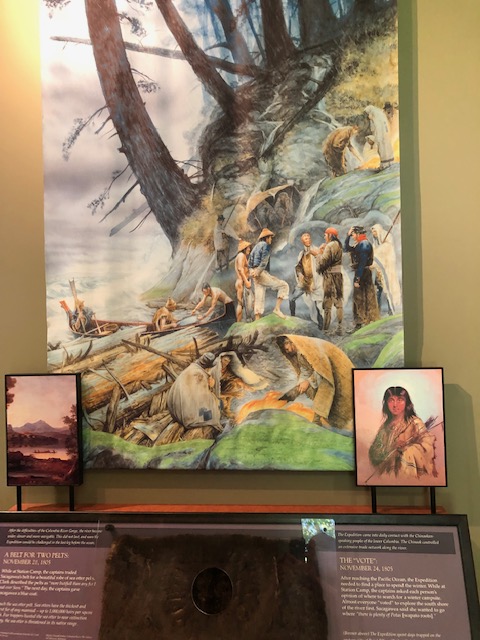
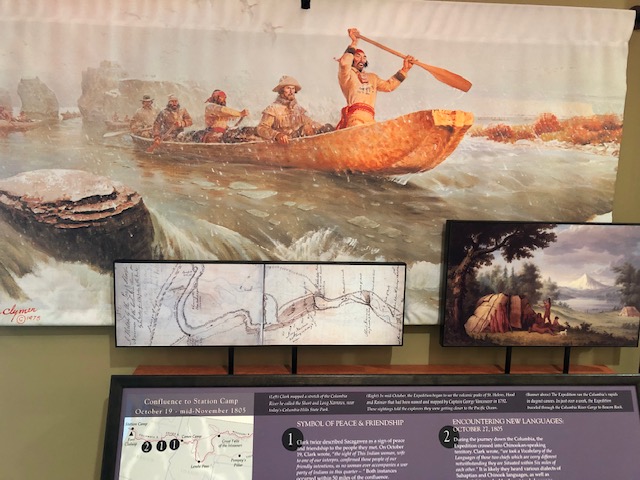
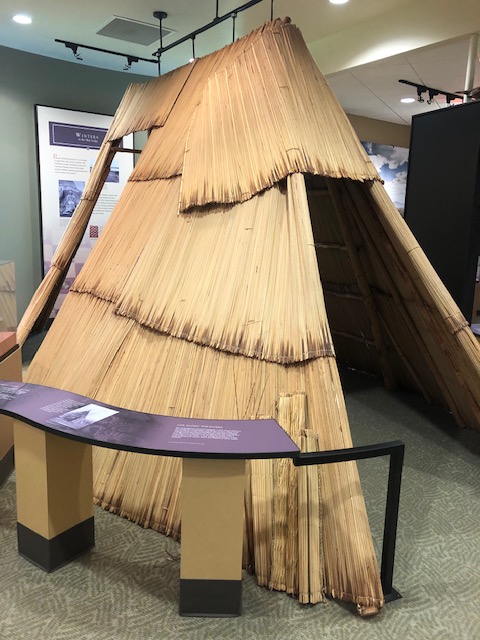
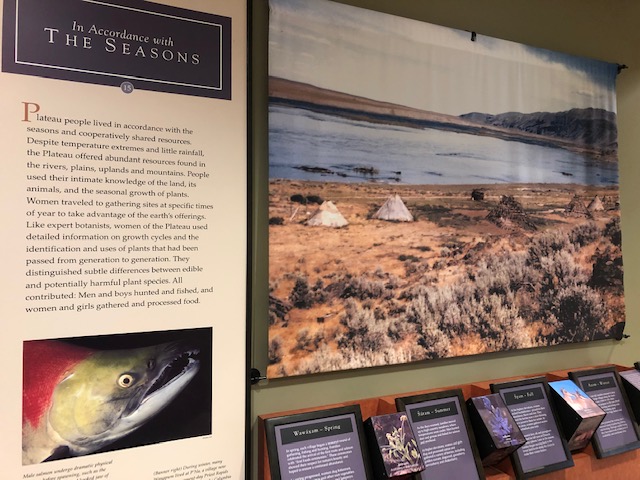
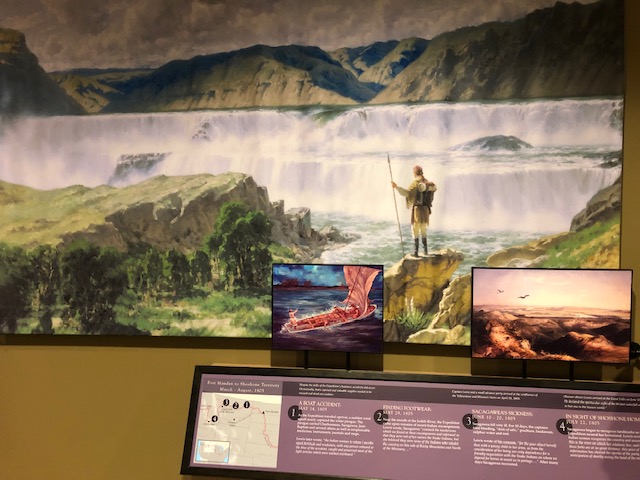
From the outside, the interpretive center appears rather small, but once you get inside you will find an extremely well planned and presented history of the entire trek of the Corps of Discovery and also information about the indigenous peoples who inhabited the region before the coming of the Lewis and Clark expedition. Outside, 1.2 miles of trails include numerous interpretive panels that further instruct the stroller about regional history—not only about the Corps of Discovery but about geologic history as well. Plan 1.5 to two hours for your visit, dependent upon how much of a reader you are.
Here are details you will need, including the address to enter into your navigation app:
Sacajawea State Park and Interpretive Center, 2503 Sacajawea Park Rd, Pasco, WA 99301, 509-337-6457. Open: Wed-Sun 10-5, Apr-Oct. Admission: Free, but a $2 donation is suggested; the site is a state park so a Washington State Discover Pass or day use fee is required. Small gift shop on site.

And with that our Tri-Cities, Washington itinerary is complete and it’s time to head home. We hope you enjoyed your visit and satisfied your desire to learn more about the fascinating history of the region.
 Hit the Road in the Pacific Northwest